What Happens To Unsold Fashion Inventory? The Hidden Waste Problem
Piles of brand-new clothes are secretly destroyed every day. This severe fashion waste costs billions and pollutes our air. Keep reading to see exactly where unsold stock goes and discover simple, practical ways you can shop smarter to stop supporting the clothing landfill cycle.
The Reality Of Clothing Landfills: Where Unsold Garments Actually Go
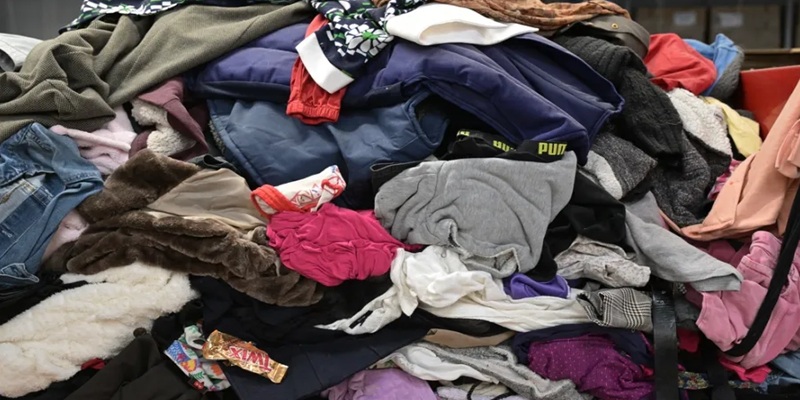
According to the US EPA, the generation of clothing and footwear in municipal solid waste has skyrocketed, with over 13 million tons of textiles ending up in landfills or incinerators annually.
To protect brand exclusivity and avoid price dilution, many companies choose to destroy unsold inventory rather than discount it.
This involves "brute-force" disposal methods such as slashing high-end garments with box cutters to make them unwearable, or bulk incineration that releases toxic chemicals into the atmosphere.
From a corporate ledger perspective, these destructive acts are often viewed as financially rational because the logistical costs of recycling or shipping deadstock to secondary markets frequently exceed the immediate cost of industrial shredding or dumping.
Why Brands Overproduce: The Root Of The Textile Waste Crisis
The root cause of this massive overproduction comes down to hard math and the rigid mechanics of global supply chains. When fashion labels contract with overseas factories, they consistently face demands for high minimum order quantities. To secure low per-unit manufacturing costs, brands must agree to produce thousands of identical garments, regardless of actual consumer demand.
Compounding this structural flaw is the immense risk of trend forecasting. Retailers are forced to guess what colors and styles will be popular up to six months before a season even begins. When a predicted trend inevitably flops, crates of neon green tops or outdated denim cuts sit abandoned in climate-controlled warehouses. Faced with the extreme holding costs of this unsellable inventory, executives often panic. Since guessing trends will always be risky, smart businesses are finally adopting profitable, less destructive clearing methods to handle their excess stock.
Profitable Alternatives To Destruction: Top Textile Recycling And Resale Strategies
Overproduction in fashion often feels like an unavoidable trap, but turning deadstock from a "sunk cost" into a recoverable asset is becoming a standard business necessity. Beyond avoiding environmental liabilities, forward-thinking brands are adopting B2B strategies that protect profit margins while keeping materials in use.
1. Primary Channels for Diverting Excess Inventory
When a brand faces untouched surplus, there are three main pathways to recovery:
Off-Price Liquidation: Selling surplus to discount retailers to recover fractional manufacturing costs. This requires strategic management to ensure the brand's premium image isn't diluted.
Tax-Deductible Donations: Routing inventory to non-profits. This provides an immediate financial write-off and generates social goodwill.
Commercial Textile Recycling: When items are no longer wearable, they can be mechanically shredded. These fibers are repurposed into high-value industrial goods such as home insulation, automotive padding, and acoustic panels. This is often more cost-effective than rising landfill tipping fees.
2. Infrastructure and Circular Leaders
Moving away from incineration requires sophisticated "reverse logistics."
Tech-Driven Logistics: Companies use data analytics to automatically route returns and deadstock to their highest-value secondary channel—whether that's restocking, secondary marketplaces, or recycling centers.
Internalized Circularity: Leading brands, such as Eileen Fisher with its "Renew" program, take back unsold or used stock to clean, repair, and resell them at a different price point, or even remake the fabric into entirely new designs.
3. Practical Consumer Selection Tips
As a shopper, your choices influence which business models succeed. Here is how to identify and support brands that prioritize these profitable alternatives:
Look for "Take-Back" Programs: Prioritize brands that explicitly offer a return or recycling program for their own products. This indicates they have the infrastructure to handle the garment's end of life responsibly.
Verify "Closed-Loop" Claims: Check if the brand uses its own textile waste to create new collections. Brands that internalize recycling are generally more committed to sustainability than those that simply donate to unknown third parties.
Identify B-Corp or Transparent Labels: Choose companies that publish annual impact reports. These reports often disclose exactly what percentage of their inventory was sold, donated, recycled, or destroyed.
Check for Repair Services: A brand that offers a lifetime repair warranty is inherently incentivized to produce higher-quality goods, thereby reducing the likelihood that items will ever become "deadstock."
Avoid "Final Sale" Traps: Be cautious with ultra-cheap, non-returnable "Final Sale" sections in fast fashion. These are often the last stop before an item is sent to a landfill; buying from brands with better inventory management prevents this waste at the source.
Avoid The Traps: Smart Consumer Choices For Better Wardrobes
The most direct way to disrupt the fast-fashion cycle is through informed purchasing. By shifting your focus from "buying more" to "buying better," you can build a wardrobe that is both durable and environmentally responsible.
1. Evaluating Garment Quality and Construction
Before purchasing, perform a physical inspection to avoid the trap of "planned obsolescence"—clothing designed to fall apart quickly.
The Stitching Test: Examine the seams inside and out. High-quality items feature tight, straight stitching without loose threads, puckering, or missed loops. If the seams look wavy or weak, the garment will likely lose its shape after a few washes.
The Tension Test: Gently tug the fabric between your hands. A well-constructed piece should feel substantial and spring back to its original shape immediately.
Material Choice: Prioritize natural, biodegradable fibers like heavy cotton, linen, or wool. These are more breathable and durable than thin synthetic polyester, which tends to pill, retain odors, and shed microplastics into the water supply.
2. Strategic Shopping: The Secondary Market
You don't always need to buy from primary retailers to own brand-new clothing. The secondary market is a major tool for rescuing "deadstock."
"New With Tags" (NWT) Searches: On resale platforms, specifically filter for "New With Tags." This allows you to find pristine, unworn items that might otherwise have been sent to a landfill.
Cost Efficiency: This method allows you to acquire premium, high-quality materials at a fraction of the original retail price, essentially diverting waste while saving money.
3. Rethinking Event Wear and Occasion Dressing
Special occasions are a leading cause of "single-use" clothing waste. Changing your approach to these events can significantly lower your environmental footprint.
Rental vs. Purchase: Buying a cheap, trendy outfit for a single wedding is a poor investment. For a similar price, you can rent high-end designer garments. This provides a premium look without the clutter or the waste of a garment that will never be worn again.
The "Cost-Per-Wear" Calculation: Before buying, ask if you will wear the item at least 30 times. If the answer is no, renting or borrowing is the more sustainable and financially sound choice.
4. Practical Selection Summary
Check the Label: Look for "100% natural fiber" rather than synthetic blends, which are harder to recycle.
Inspect the Details: Quality brands usually provide extra buttons or color-matched thread; their absence often signals a "disposable" manufacturing mindset.
Choose Timeless Over Trendy: Opt for classic silhouettes in neutral colors. These are easier to style in multiple ways, ensuring the garment remains a wardrobe staple for years.
Taking Action Against Fashion Waste
The secret pipeline from warehouse shelves to clothing landfills only stops when we fundamentally change how we buy and sell. Brands must commit to smarter liquidation partners, while you need to demand superior quality and buy less overall. Take a hard look at your closet right now. Before buying another cheap seasonal item, check local resale apps or find ways to restyle what you already own. Start building a wardrobe that actually lasts.
References
Related Posts
Boho Wedding Dresses Guide Popular Styles, Fabrics, and Tips for Choosing the Perfect Dress
Mastering Men Casual Outfits Your Ultimate Guide to Stylish Everyday Looks
Navigating Office Casual Attire for Men Your Essential Guide to Professional Comfort
Circular Economy Fashion: The Future Of Sustainable Clothing
Plant-Based Leather: Sustainable Alternatives To Traditional Leather